
The Current State of Cannabis Vape Pens in 2026
In California, adult-use cannabis, including vape products, is still fully legal for adults 21 and over. These products are available only through licensed dispensaries, which means they are tested and regulated. Disposable vape pens, the single-use devices with built-in batteries, are still widely sold in the legal cannabis market. This is very different from nicotine disposables, which are facing stronger restrictions.
One important bill, AB 762, was first introduced to ban disposable vapes with built-in batteries, including cannabis versions, because of concerns about electronic waste and fire risks from lithium batteries thrown in regular trash. However, in early 2026, the bill was amended and cannabis vapes were removed from the ban. The updated version now focuses only on nicotine disposables. The import and manufacturing ban for nicotine devices is set to begin in 2027, and retail sales would stop in 2028.
There are still regulations that apply. Disposables cannot be advertised in a way that suggests they should be thrown in the trash or recycling. Proper hazardous waste disposal is required for batteries and devices. At the same time, hemp-derived intoxicating products such as Delta-8 or THCA vapes sold outside licensed dispensaries are facing bans under AB 8, with changes rolling out from January 2026. This has pushed more consumers toward licensed cannabis dispensaries.
From a market perspective, disposable cannabis vapes are still doing well. High-potency options are common, including products made with live resin, liquid diamonds created from melted THCA crystals, and blends that include THC-P or HHC. Many brands are also offering rechargeable disposables, which give users the convenience of a disposable with a bit more flexibility.
The Pros: Why They’re Still Popular
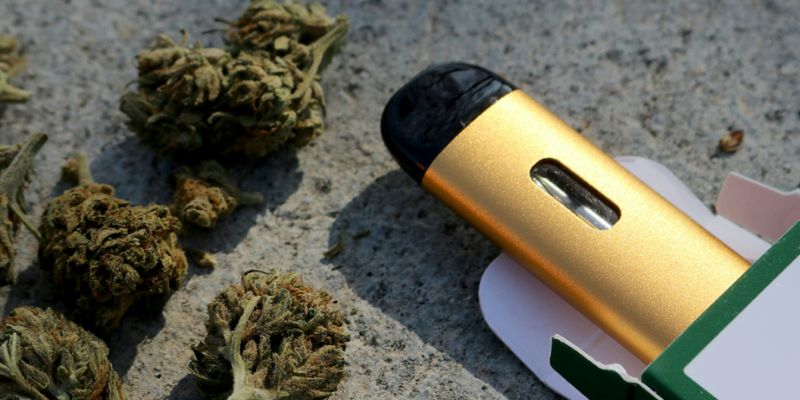
The biggest reason people continue to buy disposable cannabis vape pens is convenience. You do not have to worry about refilling them, and most are ready to use right out of the box. Even though many models now include a charging port, the overall experience is still simple and beginner-friendly.
In 2026, many top products offer very high potency, sometimes over 90 percent cannabinoids. Users also appreciate the authentic flavor that comes from live resin or cryo-extraction methods. Premium models can last for thousands of puffs, making them practical for extended use.
For users in places like San Diego, disposable vapes are easy to carry to the beach, on a hike, or during a quick outing. The effects usually kick in quickly, and the smell does not linger the way traditional flower does. Brands also offer a range of effects, from balanced hybrids to indica-dominant or sativa-forward options, so users can choose what fits their mood or schedule.
The Cons: Real Challenges Mounting
Environmental concerns remain one of the biggest downsides. Disposable vape pens contain lithium batteries, and if they are not disposed of properly, they can create fire risks in landfills. California requires proper hazardous waste disposal, but not everyone follows the rules, which adds to the problem.
Cost is another factor. A quality 3 to 5 gram disposable can cost between 30 and 60 dollars. For occasional users, that might feel reasonable. For heavier users, the expenses can add up quickly compared to reusable systems.
There are also ongoing health discussions around vaping in general. While regulated cannabis products are tested and avoid many of the contaminants found in black-market products, some users still worry about potential lung irritation.
Future regulations could also affect availability. For example, battery-related rules under AB 2440 may require stronger collection and recycling systems by 2027. While illicit hemp vapes are decreasing due to bans, that demand is shifting toward licensed dispensaries.
Are Cannabis Vape Pens Worth It in 2026?
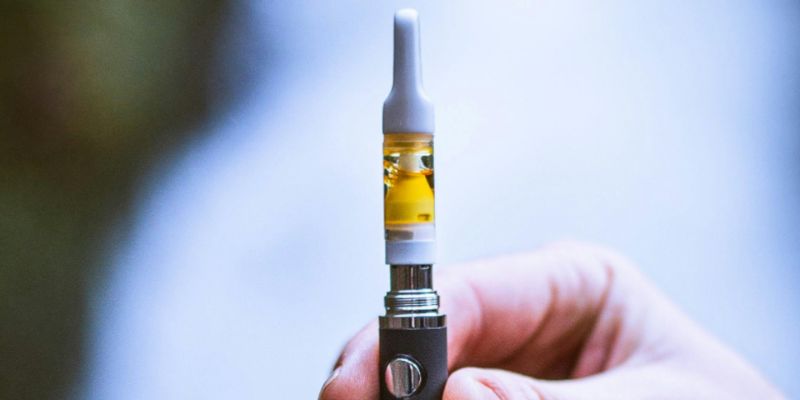
For many users, the answer is yes, especially if convenience and strong effects are the top priorities. In California, regulated disposables are still available, innovative, and widely used. They can be a great choice for occasional use or for people who want something simple and portable.
On the other hand, if sustainability, long-term cost savings, or reducing waste are more important, reusable options may make more sense. Over time, they can be more budget-friendly and environmentally responsible.
Better Alternatives to Consider
Reusable 510-thread batteries paired with cartridges are a popular alternative. You can choose a quality battery with variable voltage to control flavor and intensity, then swap cartridges as needed. This setup creates less waste and often costs less in the long run.
Live rosin or live resin cartridges are also worth considering if flavor and terpene richness are important to you. They offer a more refined experience without relying on fully disposable devices.
Pod systems and integrated vaporizers provide rechargeable and sometimes refillable designs within the regulated market. These systems combine convenience with reduced waste.
For those who prefer to avoid inhaling anything, non-inhalable options such as edibles, tinctures, or pouches are available. These provide effects without vapor.
Final Thoughts
In California in 2026, cannabis vape pens, including disposables, are still very much part of the market. Recent legislative changes have allowed them to remain available, and brands continue to improve quality and performance. For many people, they are still worth it because of their convenience and strength.
At the same time, there is a clear shift toward more sustainable choices. If you are a regular user, it may be worth exploring reusable options. As always, purchase from licensed dispensaries to ensure products are tested and compliant.